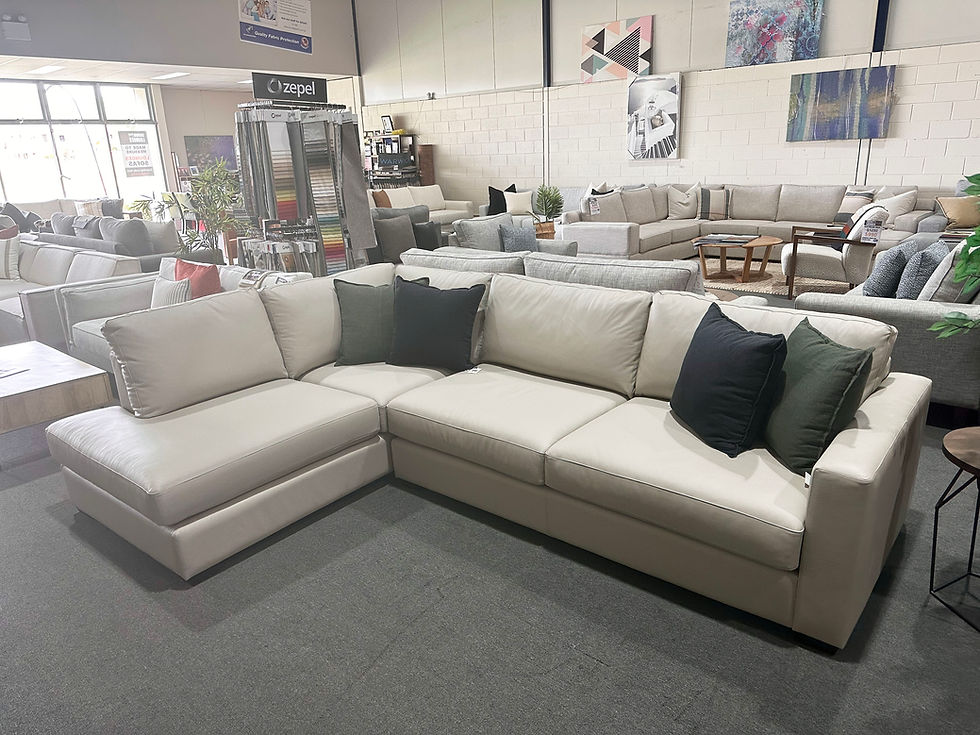
The Patina Effect: Why a Quality Leather Chaise Lounge Gets Better with Age


A leather chaise lounge is one of the few furniture pieces that can look more settled and more attractive after years of daily use. That change is tied to patina: the soft sheen, colour variation and surface character that develop as natural leather responds to touch, light and time.
What is the Patina Effect in Leather Furniture?
Patina is the visible ageing that gives leather a richer and less uniform appearance over time. In practical terms, it can show as a deeper tone on high-contact areas, a smoother feel on the seat and arms, and a finish that looks more relaxed than it did in the showroom. Leather specialists commonly link this kind of ageing to higher-quality hides, especially full-grain leather and some lightly finished top-grain leathers.
Patina should not be confused with damage. Good patina appears gradual and natural. Peeling, brittle cracking, sticky residue or mould point to material failure, poor care or unsuitable conditions rather than graceful ageing. That distinction matters because readers are often told that all old leather is desirable. It is not. Well-made leather tends to mellow. Poorly made leather often just breaks down.
Why a Quality leather chaise lounge Improves Over Time
The appeal of leather is not only visual. The comfort can improve as well. With regular use, better leather often becomes more supple while still holding its structure, and the surface begins to reflect the life of the home in a subtle, individual way.
A good leather chaise usually improves in three noticeable ways:
It softens without losing presence. The seat feels less stiff and more inviting after sustained use.
It gains tonal depth. Light exposure and everyday contact can create gentle variation rather than a flat, factory-new finish.
It becomes distinct to its owner. Patina is never identical from one piece to another, which gives the lounge a character synthetic materials rarely achieve.
This is one reason leather remains popular with buyers who want furniture that settles into a room instead of looking tired after a few seasons.

What Separates Beautiful Patina from Premature Wear?
The first dividing line is leather grade. Full-grain leather keeps the natural grain intact, so it has the best chance of developing a strong, attractive patina. Some top-grain leather also ages well, though heavy correction and thick coatings can mute that effect. Bonded or lower-grade leather is less likely to age with the same depth and is more prone to surface issues.
The second dividing line is construction. A chaise may have appealing leather, yet still disappoint if the frame, support or cushioning are weak.
What to Look for Before You Buy Leather Lounges in Sydney
When looking for premium leather lounges retailers offer, a few practical checks are worth making before any purchase:
Ask what leather is used. Full-grain or high-quality top-grain leather generally ages better than heavily processed alternatives.
Check how much choice is available. Known For Lounges states that customers can select from different colours, sizes and shapes, which helps match the piece to the home and the way it will be used.
Look beyond the surface. Ask about seat support, foam and frame quality, because comfort after five years matters more than appearance on day one.
Consider where it is made. Buyers interested in Australian-made leather lounges may value local manufacturing for customisation, clearer after-sales support and easier communication about materials.
Caring for Leather So Patina Develops Well
Leather needs care, though not fuss. Sydney’s climate makes that especially relevant. Bureau of Meteorology climate averages show relatively high morning humidity across the year, which means trapped moisture should be avoided.
A sensible care routine includes:
Dusting with a soft dry or slightly damp cloth
Cleaning spills promptly
Keeping the chaise away from strong direct sun and nearby heat
Avoiding harsh household cleaners
Allowing the leather to breathe rather than covering it in plastic
Those habits do not stop patina from forming. They simply help it form evenly and reduce the risk of mould, stiffness or discolouration.
Final Thoughts:
The value of a leather chaise lounge is not tied to looking untouched. Its value often lies in the opposite. A well-made piece becomes softer, deeper in tone and more individual as the years pass. That is the appeal of patina. It reflects material quality, daily use and the quiet confidence of furniture built to last.
Explore the leather chaise lounge collection at Known For Lounges to find a piece that will grow more comfortable and more distinctive over time. Visit the showroom or browse online to compare styles, leather finishes and Australian-made options suited to your home.
Frequently Asked Questions:
1. How long does it take for a leather chaise to develop a patina?
Small changes can appear within months, while a fuller patina usually develops over several years. The timing depends on leather type, finish, use and light exposure.
2. How to maintain a leather chaise lounge in Sydney’s humidity?
Keep air circulating, wipe moisture quickly, avoid plastic covers and use leather-safe care products. Sydney’s humidity means trapped dampness can become a problem if the surface cannot breathe.
3. Does all leather get better with age or just full-grain?
Not all leather improves in the same way. Full-grain usually develops the most character, while some top-grain leathers age well too. Lower-grade and heavily corrected leathers often show less appealing change.
4. How to clean a patina leather chaise lounge?
Dust regularly, use a soft cloth, treat spills at once and avoid strong chemicals. Gentle routine care is better than aggressive cleaning.
5. Is patina a sign of damage?
No. Patina is a natural sign of ageing in quality leather. Damage shows up differently, often as peeling, cracking, mould or a stiff surface.