


How to Choose the Right Chaise Direction: Left-Hand vs Right-Hand Lounges

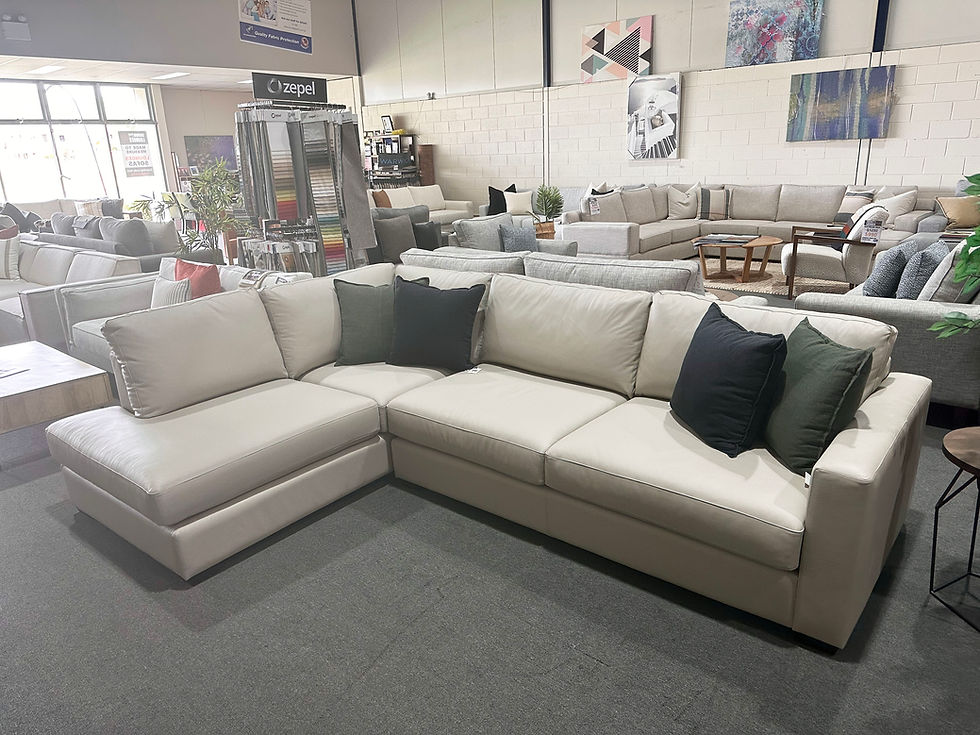
A chaise lounge can look right in a showroom photo and still feel wrong once it blocks a doorway, cuts across a walkway or puts the long seat on the less useful side of the room. Direction matters because a chaise changes how people enter the lounge room, watch TV, stretch out and move around the coffee table.
Before choosing left-hand or right-hand, ask one practical question: which side lets the room work?
What left-hand and right-hand chaise usually mean
In most sofa buying conversations, the chaise direction is described while you’re standing in front of the lounge and looking at it. A left-hand chaise means the chaise section is on your left. A right-hand chaise means it’s on your right.
Still, don’t rely on the label alone. Some people describe direction while sitting on the lounge, which flips the answer. When discussing a chaise in-store, point to the plan or photo and confirm: “When I face the lounge, I want the chaise on this side.”
Let walkways decide before style does
The chaise should usually sit on the quieter side of the room, away from the main traffic path. If the long section sticks into the entry from a hallway, balcony door or kitchen, the room can feel tighter than it is.
Check the main doorway, TV wall, balcony or sliding door, coffee table space and any windows or curtains that need clearance. For many Sydney homes, especially apartments and narrower lounge rooms, access decides the chaise side before colour, fabric or style.
A right-hand chaise may look balanced in a product image, but a left-hand chaise may keep the room open. The correct choice is the one that lets people move through the room without stepping around furniture every day.
Match the chaise to how you actually sit
Choose the chaise side that suits daily use. If one person always stretches out while watching TV, place the chaise where it gives them a clean view. If the lounge is mainly for family use, check whether the chaise helps conversation or pulls everyone into one corner.
A chaise can also create a soft boundary in an open-plan room. In a living and dining space, the long section can help define the lounge area without adding another furniture piece. Used badly, it can make the same space feel boxed in.
A smaller L shape sofa in Sydney can feel awkward if the chaise points into the wrong zone. A larger lounge can work well if the chaise sits along a wall and keeps the centre of the room clear.
If you’re comparing layouts, bring your measurements into our Vineyard or Minchinbury showroom and we’ll help you test which chaise direction suits the room before you commit.
Fixed, reversible or modular chaise: know the difference
A fixed chaise has one set direction. This works when the room layout is settled and you know exactly where the lounge will sit.
A reversible chaise gives you more flexibility. Selected models in our range, such as the Zetti 3.5 Seater Reversible Chaise Lounge, are designed so the chaise can be set up on either side. That can help renters, apartment owners or buyers who may move the lounge to another room later.
A modular or corner lounge gives another layer of choice, depending on the model. Some configurations allow more seating, a corner return or an ottoman-style setup. If you’re not sure which layout is better, compare our corner and modular lounges alongside our chaise range.
Measure the lounge, not just the wall
Many buyers measure the wall length but forget the chaise depth. You need both numbers. A lounge might fit along the wall, but the chaise can still push too far into the room.
Before visiting the showroom, measure the main sofa wall, available depth, distance to the TV unit, doorway access, stairway or lift access, and fixed items such as heaters, power points or sliding doors.
Painter’s tape can help. Mark the full lounge outline on the floor, then walk around it as you normally would. Sit where the chaise would be. Open doors. Pull out dining chairs nearby. The right side often becomes obvious once the footprint is on the floor.
For made-to-order options, view our custom made lounges and sofas if you need a lounge adjusted by size, fabric, colour or configuration where available.
Frequently Asked Questions
Should the chaise go on the left or right side?
Choose the side that keeps the walkway open, gives a comfortable TV view and supports
how your household uses the room.
Is a reversible chaise worth considering?
Yes, if your room layout may change or you’re not fully sure which side will work long term. Reversible options are not available on every model, so check before ordering.
Can I customise the chaise direction?
For selected Australian-made and made-to-order lounges, direction, size, fabric, colour and configuration options may be available. The exact choices depend on the model, so ask in-store.
At Known For Lounges, we help Sydney customers compare chaise direction, size, comfort, fabric and colour. For help choosing a left-hand, right-hand or reversible chaise, browse our chaise lounges in Sydney or visit our Vineyard or Minchinbury showroom.


